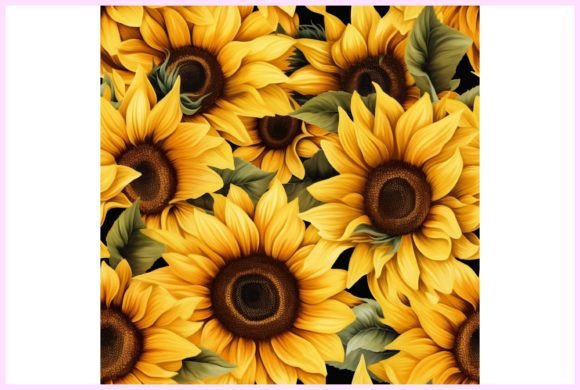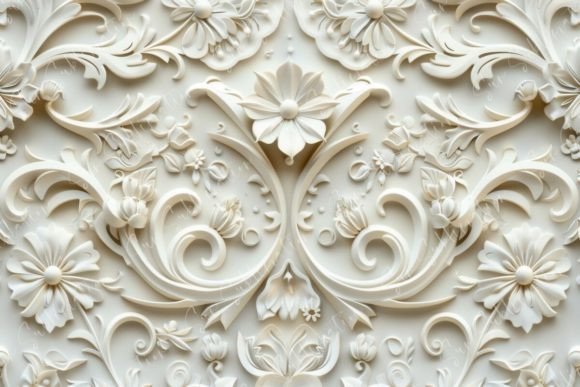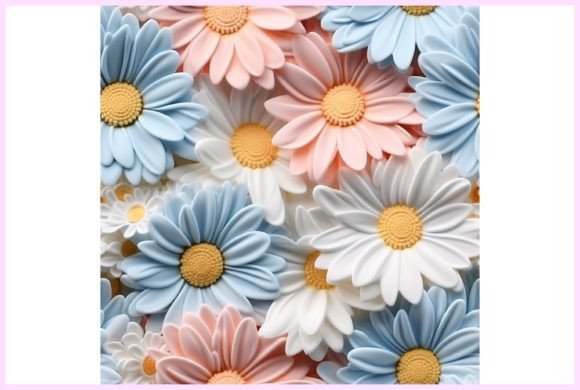
3D Daisy Flower Pattern
In the realm of digital design and physical crafting, visual texture plays a pivotal role in determining the success of a final product. Among the myriad of available textures, floral motifs remain a perennial favorite for their ability to evoke warmth, nature, and elegance. Specifically, the 3D Daisy Flower Pattern has emerged as a versatile asset for designers, hobbyists, and commercial printers alike. This pattern is not merely a static image but a sophisticated digital asset designed for seamless integration across various media. Understanding its technical specifications, applications, and limitations is essential for anyone looking to incorporate this aesthetic into their workflow.
Understanding the 3D Daisy Flower Pattern
At its core, the 3D Daisy Flower Pattern is a high-resolution digital file that simulates depth and dimensionality through shading, lighting effects, and layering techniques. Unlike flat vector graphics, which rely on solid colors and clean lines, a 3D pattern utilizes gradients and shadows to create the illusion of physical volume. The subject matter—daisies—is chosen for its universal appeal, symbolizing innocence, purity, and simplicity. When rendered in three dimensions, these flowers gain a tactile quality that enhances the perceived value of any surface they adorn.
The defining characteristic of this specific pattern is its seamless tiling capability. In digital design, a seamless pattern is one where the edges align perfectly with opposite edges, allowing the image to repeat infinitely without visible breaks or seams. This feature is critical for large-scale applications such as wallpaper, fabric printing, and web backgrounds. The provided asset is a JPG file with a resolution of 2400×2400 pixels at 300 DPI (dots per inch). This resolution ensures that when printed at standard sizes, the image remains crisp and free from pixelation, maintaining the integrity of the 3D details even at close range.
Applications and Use Cases
The versatility of the 3D Daisy Flower Pattern makes it suitable for a wide array of creative endeavors. Its RGB color profile and high resolution allow it to be adapted for both digital and physical outputs. Below are the primary sectors where this pattern finds utility:
- Textiles and Fashion: The pattern is ideal for sublimation printing on fabrics. Because the design repeats seamlessly, it can cover entire garments, scarves, or upholstery without awkward interruptions. The 3D effect adds a premium feel to clothing items, distinguishing them from mass-produced flat prints.
- Paper Crafts and Stationery: For scrapbookers and card makers, this pattern serves as an excellent background element. It can be used for notebook covers, invitation cards, and gift wrapping paper. The repetitive nature allows users to print multiple sheets efficiently, maximizing material usage.
- Digital Media and Branding: In the digital space, the pattern works well for social media graphics, website banners, and email headers. Its vibrant yet classic aesthetic appeals to a broad audience, making it a safe choice for brands aiming for a friendly, approachable identity.
- Print on Demand (POD): Entrepreneurs utilizing POD services often seek unique designs to stand out in crowded marketplaces. A 3D floral pattern offers a distinct visual advantage over generic clipart. It can be applied to mugs, phone cases, tote bags, and home decor items like throw pillows.
- Event Decor: Backdrops for weddings, baby showers, and birthday parties benefit from the expansive coverage provided by seamless patterns. The daisy motif is particularly appropriate for spring-themed events or children’s celebrations.
Evaluating Benefits and Tradeoffs
When considering the adoption of a 3D Daisy Flower Pattern, it is important to weigh the advantages against potential limitations. The primary benefit lies in its adaptability. The high resolution (300 DPI) ensures professional-grade output for print materials, while the seamless tileability reduces the need for complex editing to achieve continuous backgrounds. Furthermore, the RGB color mode is optimized for screen display and modern printing technologies, ensuring accurate color reproduction.
However, there are tradeoffs to consider. First, the reliance on a JPG format means the file lacks transparency. Unlike PNG files, which allow for layered compositing over different backgrounds, a JPG comes with a solid background. Designers must either work within the constraints of this background or use masking tools to isolate elements, which can be time-consuming. Second, the "3D" effect is achieved through digital rendering. On low-quality displays or small print sizes, the depth perception may diminish, potentially flattening the visual impact. Therefore, the pattern performs best when scaled appropriately to showcase its detail.
Another consideration is the artistic style. While daisies are universally liked, the 3D rendering style may not align with minimalist or abstract design trends. If a project requires a subtle, understated look, a highly detailed 3D flower might overpower other design elements. Conversely, for projects aiming for a bold, decorative statement, this pattern excels.
Situational Fit: When to Choose This Pattern
The 3D Daisy Flower Pattern is a strong fit for projects that require a balance between traditional charm and modern production efficiency. It is particularly advantageous for:
- High-Volume Printing: If you are producing hundreds of units of a product, such as custom packaging or promotional textiles, the seamless nature of the pattern ensures consistency across all items without requiring manual adjustments for each piece.
- Rapid Prototyping: For DIY enthusiasts or small business owners who need to quickly visualize how a design looks on a product, this ready-to-use pattern eliminates the need for hiring a graphic designer to create a custom background.
- Cross-Platform Consistency: Brands that operate across both physical and digital channels can use the same pattern asset for their website headers and their physical merchandise, creating a cohesive brand experience.
Alternatives and Considerations
While the 3D Daisy Flower Pattern is robust, it may not be the optimal choice for every scenario. For projects requiring precise control over individual elements, such as intricate invitations where specific flowers need to be moved or resized independently, a vector-based AI or EPS file would be more appropriate. Vector graphics scale infinitely without losing quality and allow for non-destructive editing.
Additionally, if the goal is to integrate the pattern into a complex Photoshop composition with multiple layers, a PNG file with a transparent background would offer greater flexibility. The current JPG format restricts this level of compositional freedom. Furthermore, for black-and-white or monochromatic designs, the RGB color profile might introduce unnecessary data; a grayscale version could be more efficient for certain printing processes.
Designers should also consider the cultural context. While daisies are generally positive symbols, overly dense floral patterns can sometimes appear dated or cluttered depending on the target demographic. Testing the pattern at reduced scales before committing to large-scale production is a prudent step to ensure the aesthetic resonates with the intended audience.
Conclusion
The 3D Daisy Flower Pattern represents a practical and visually appealing solution for a wide range of creative and commercial projects. Its combination of high resolution, seamless tiling, and recognizable subject matter makes it a valuable tool for anyone involved in crafting, printing, or digital design. By understanding its capabilities and limitations, users can make informed decisions about when to deploy this asset. Whether enhancing a textile collection, designing a stationery line, or creating digital content, this pattern offers a reliable foundation for bringing creative visions to life. As with any design resource, success depends on thoughtful application and alignment with the specific goals of the project.