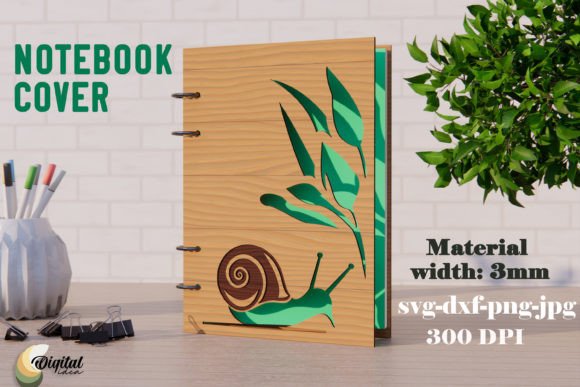
3d Laser Cut. Notebook Cover Laser Cut
In an era where physical artifacts carry significant weight in digital-first environments, the distinction between a standard utility item and a branded touchpoint is critical. For entrepreneurs, educators, and creative professionals, the notebook remains one of the most enduring tools for planning, ideation, and communication. However, not all notebooks are created equal. The emergence of 3d Laser Cut. Notebook Cover Laser Cut technology represents more than just a aesthetic upgrade; it is a strategic decision that impacts branding, user experience, and perceived value. By integrating precision-cut geometries into traditional bound media, creators can transform a simple writing surface into a tactile brand asset.
This approach moves beyond flat printing or basic embossing. It introduces depth, texture, and structural integrity to the cover, creating a sensory experience that engages the user before they even open the pages. For small business owners and marketers, this level of detail signals attention to quality and a commitment to craftsmanship. It suggests that the contents within are worth protecting and presenting. Understanding how to leverage these designs effectively requires a shift from viewing them as mere decorations to seeing them as functional components of a broader operational strategy.
The Strategic Value of Tactile Branding
Human interaction with objects is deeply rooted in sensory feedback. When a client, student, or colleague receives a notebook featuring intricate 3D laser-cut patterns, the immediate reaction is often one of curiosity and appreciation. This momentary pause is valuable. It breaks through the noise of daily communications and establishes a connection. In the context of professional services, consulting, or educational materials, this tactile differentiation can reinforce brand positioning. It communicates that you invest in details, which often translates to trust in your core offerings.
Consider the scenario of a consultant handing over a project proposal. A standard spiral-bound document might be filed away immediately. A high-quality notebook with a custom 3d Laser Cut. Notebook Cover Laser Cut design invites engagement. The user runs their fingers over the cutouts, notices the interplay of light and shadow, and feels the weight of the material. This physical interaction creates a memory anchor. When the recipient later recalls the meeting or the advice given, the physical object serves as a reminder of the interaction’s significance. For freelancers and agency owners, this is a low-cost, high-impact method of maintaining top-of-mind awareness without relying on intrusive digital follow-ups.
Furthermore, these covers serve as excellent canvases for modular design. Unlike static prints, laser-cut layers allow for color blocking and material mixing. You might combine a dark leather base with a lighter acrylic overlay, or use translucent sheets to create a stained-glass effect when held up to light. This versatility allows brands to adapt their stationery to seasonal campaigns, product launches, or internal company culture initiatives. The ability to change the visual language of the notebook while keeping the core structure intact offers flexibility that printed covers cannot match.
Operational Efficiency and Design Accessibility
One of the primary barriers to implementing custom stationery has historically been the complexity of production and file preparation. Traditional manufacturing often required extensive proofing cycles and minimum order quantities that were prohibitive for smaller teams. The modern solution lies in accessible digital design files. The availability of a zip folder containing the design in SVG, DXF, EPS, PDF, JPEG, and PNG file formats fundamentally changes the procurement landscape.
These varied formats cater to different stages of the production workflow. SVG and DXF files are ideal for direct input into laser cutting machines, allowing for precise scaling and vector-based editing. This ensures that whether you are using a desktop CO2 laser or sending files to a commercial manufacturer, the geometry remains crisp and accurate. EPS and PDF formats provide compatibility with graphic design software like Adobe Illustrator or InDesign, enabling designers to integrate text, logos, or additional graphical elements around the cut areas. Meanwhile, JPEG and PNG previews offer quick visual references for stakeholders who may not have access to vector-editing tools.
This multi-format accessibility reduces friction in the decision-making process. A marketing manager can quickly visualize the concept using the PNG preview, while the technical lead can validate the cut paths using the DXF file. This streamlines approval workflows and minimizes the risk of errors during production. For educators and bloggers who produce limited-run workshops or digital courses, this means they can order smaller batches with confidence, knowing that the files are ready for immediate use. It empowers non-technical users to participate in the design process, fostering collaboration between creative and operational teams.
Planning for Long-Term Utility
While the visual appeal of a 3D laser-cut cover is undeniable, strategic implementation requires careful consideration of durability and functionality. A notebook is a tool, not just a prop. If the structural integrity is compromised by excessive cutting, the book may fail under regular use. Therefore, the design must balance aesthetics with practicality. When selecting or adapting a 3d Laser Cut. Notebook Cover Laser Cut design, consider the density of the cuts. Large, open spaces may weaken the cover, making it prone to bending or tearing at the spine. Conversely, overly dense patterns may obscure the brand message or make the cover difficult to write on if placed directly against a desk.
Material selection is equally important. Different materials react differently to laser cutting. Acrylics can melt or discolor if the speed and power settings are incorrect. Wood veneers may char along the edges, which can be desirable for a rustic look but detrimental for a sleek, corporate aesthetic. Leather requires specific treatments to prevent excessive burning. Before committing to a large print run, always request samples. Test the notebook under real-world conditions: drop it, slide it into a bag, write in it, and leave it in a hot car. These stress tests will reveal potential flaws that stock photos cannot show.
Additionally, think about the lifecycle of the notebook. Can the cover be replaced? Is the binding durable enough to lay flat? For professionals who rely on note-taking for critical decisions, the ergonomics of the notebook matter. A heavy, rigid 3D cover might be cumbersome to carry in a briefcase. In such cases, opting for thinner materials or partial cut-outs (rather than full-face coverage) can maintain the visual impact while improving portability. This thoughtful approach ensures that the notebook remains in active use rather than sitting on a shelf as a decorative object.
Risks and Mitigation Strategies
No investment is without risk, and custom stationery is no exception. The most common pitfall is prioritizing form over function. A beautifully designed cover that makes the notebook difficult to write in or store will ultimately be discarded. To mitigate this, establish clear criteria for success before starting production. Define the primary use case: Is this for internal team use, client gifting, or public distribution? Each scenario demands different levels of durability and cost-efficiency.
Another risk is intellectual property infringement. Ensure that the design you are purchasing or adapting does not violate existing trademarks or copyrights. While many stock designs are available, some may feature proprietary geometric patterns or character designs. Conduct a thorough review, especially if you plan to modify the design significantly. Adding your own logo or tagline should be done carefully to avoid cluttering the intricate cut patterns.
Finally, consider the environmental impact. Laser cutting involves energy consumption and material waste. Choose suppliers who prioritize sustainable practices, such as using recycled materials or offering carbon-neutral shipping. For brands focused on ESG (Environmental, Social, and Governance) goals, aligning your stationery choices with these values reinforces your commitment to responsible business practices. This alignment resonates with modern consumers and employees who increasingly expect companies to act ethically across all touchpoints.
Intentional Implementation for Better Results
Using 3d Laser Cut. Notebook Cover Laser Cut resources effectively requires intentionality. It is not enough to simply buy a design and hope for the best. You must integrate it into your broader communication strategy. Use these notebooks to launch new products, celebrate milestones, or reward loyal customers. Pair them with handwritten notes or personalized messages to enhance the emotional connection. The physical object becomes a vessel for meaningful interaction.
For educators, these notebooks can be used as part of a course kit, providing students with a tangible resource that complements digital learning materials. The 3D element adds a sense of occasion to the learning process, encouraging students to engage more deeply with the content. Similarly, for bloggers and publishers, custom notebooks can serve as premium merchandise, driving revenue while strengthening community ties.
Ultimately, the goal is to create experiences that linger. In a world saturated with ephemeral digital content, a well-crafted physical object stands out. By leveraging the precision and creativity of laser cutting, you can elevate your brand presence and foster deeper relationships with your audience. Start small, test thoroughly, and scale gradually. Let the quality of your materials reflect the quality of your work. When every detail is considered, from the vector file to the final cut, the result is not just a notebook, but a statement of intent.