3D Layered Baby Photo Album Laser Cut
Preserving the fleeting moments of early childhood is a priority for many parents and grandparents, yet traditional photo albums often fail to capture the depth and texture of these memories. In recent years, digital fabrication tools have made it possible to create highly personalized keepsakes that go beyond standard bound books. Among these innovations, the 3D Layered Baby Photo Album Laser Cut has emerged as a popular option for crafters, small business owners, and hobbyists who own laser engraving equipment. This guide explores what this product entails, its practical applications, and the considerations necessary to determine if it aligns with your creative goals.
Understanding the Product Format
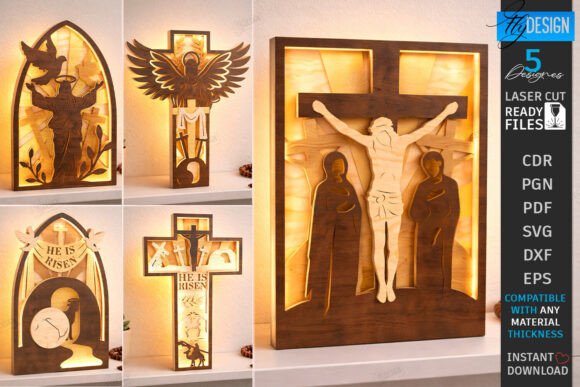
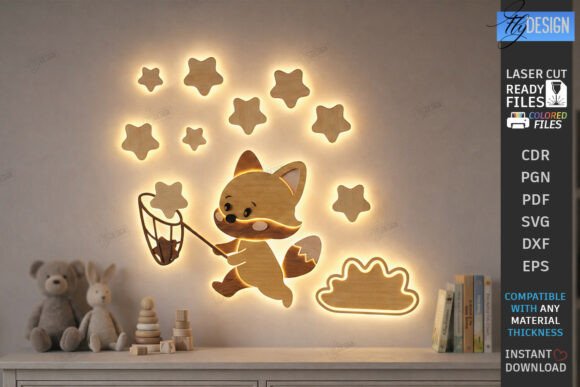
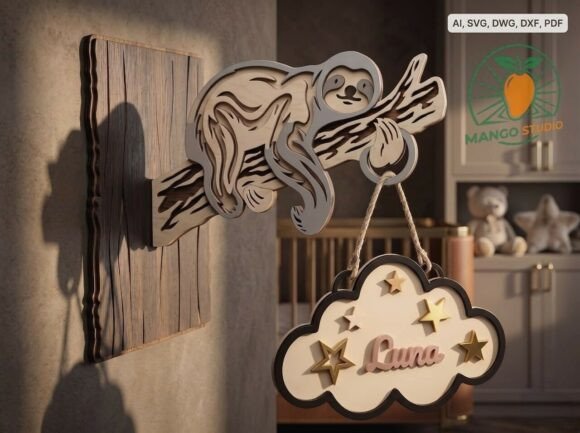
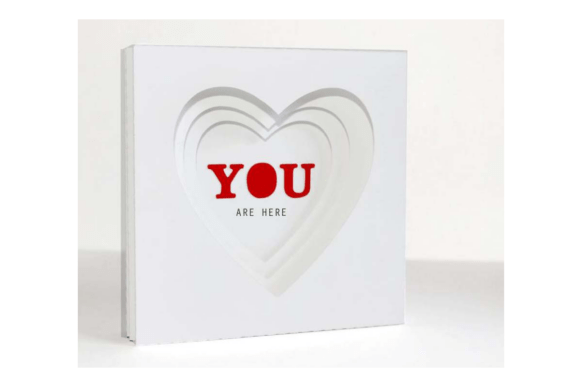
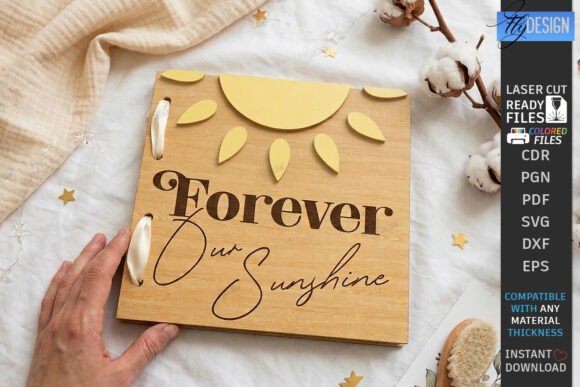
A 3D layered baby photo album is not a physical book shipped to you; rather, it is a digital design template intended for use with computer numerical control (CNC) machines, specifically laser cutters and engravers. The design utilizes multiple layers of material—typically wood, acrylic, or thick cardstock—stacked to create depth and dimension. When assembled, these layers form intricate scenes, such as nursery themes, animal motifs, or abstract patterns, that surround the photographs.
The core value proposition lies in the customization potential. Because the source files are digital, users can modify colors, dimensions, and specific elements before production. This makes the product particularly appealing for those looking to create unique gifts, such as personalized first birthday presents, newborn keepsakes, or guest books for baby showers. The ability to personalize the design ensures that each album is distinct, catering to the specific tastes of the recipient.
Technical Specifications and File Compatibility
For the design to function correctly, precise technical execution is required. The digital package typically includes a zip archive containing several file formats to accommodate different software preferences and machine capabilities. These usually include:
- SVG File: Ideal for vector-based editing software like Adobe Illustrator or CorelDRAW, allowing for easy scaling and color adjustments.
- EPS File: A widely supported format for professional graphic design workflows.
- PNG File: Useful for raster-based programs or for visualizing the design without editing.
- PDF File: Provides a clear preview of the final layout and layer structure.
- DXF File: Essential for direct import into most laser cutting software, ensuring accurate vector paths.
One of the most critical aspects of using these templates is understanding the line coding system. Typically, the design uses color-coded lines to instruct the machine on how to process the material. For instance, red lines often indicate areas where the material should be fully cut through, while black lines may denote areas for engraving or scoring. Users must ensure their cutting machine and associated software are compatible with these instructions. Misinterpretation of these codes can result in materials being cut when they should only be engraved, or vice versa, leading to wasted resources.
Benefits of Using Laser-Cut Layered Albums
The primary advantage of choosing a laser-cut approach over traditional printing or binding is the tactile quality and visual impact. Wood and other natural materials offer a warm, premium feel that resonates well with the theme of family heritage. The three-dimensional aspect adds an element of surprise and engagement, transforming a simple photo storage solution into a decorative art piece suitable for display on a shelf or mantelpiece.
Furthermore, the digital nature of the product allows for rapid iteration. If a customer requests a change from a blue elephant theme to a pink floral one, the designer can adjust the SVG file and re-export the DXF without needing to reorder physical inventory. This flexibility supports small-scale production runs and custom orders, making it a viable option for Etsy sellers and independent artisans.
Tradeoffs and Considerations
While the aesthetic appeal is significant, there are practical tradeoffs to consider. First, the skill level required is higher than that of assembling a pre-made album. Users must be proficient in operating laser cutters, managing material feeds, and performing post-processing tasks such as sanding edges and assembling delicate layers. Mistakes during cutting or assembly can be difficult to rectify, especially with expensive materials like plywood or acrylic.
Another consideration is durability. While wood is sturdy, the layered construction relies on adhesives or mechanical fasteners to hold the pieces together. Over time, and with exposure to humidity or temperature changes, wood can warp slightly, potentially affecting the alignment of the layers. Additionally, thin wooden layers may be fragile during transport if not packaged carefully.
There is also a learning curve associated with software compatibility. Not all laser cutting software handles complex multi-layer designs equally well. Users may need to invest time in learning how to separate layers, adjust kerf settings (the width of the cut), and optimize nesting to minimize material waste.
Situational Fit: Who Should Use This?
This product is best suited for individuals who already possess laser cutting equipment or have access to a local makerspace. It is ideal for crafters looking to expand their inventory with high-margin, personalized items. Parents who enjoy DIY projects and want to create a one-of-a-kind gift for a child’s first birthday will also find this template valuable. The ability to incorporate personal photos into a custom-designed frame adds emotional value that mass-produced albums cannot match.
Conversely, this product may not be the right fit for those new to digital fabrication. Without prior experience in vector graphics or machine operation, the risk of error increases significantly. Similarly, individuals seeking a quick, off-the-shelf solution without the desire for hands-on creation should look toward traditional printed photo books or professionally bound scrapbooks.
Alternatives to Consider
If the technical requirements seem daunting, alternative options exist. Pre-assembled wooden photo frames offer similar aesthetics but require no assembly or technical skill. Digital-only photo albums provide a low-cost, zero-waste alternative for those focused solely on memory keeping without physical artifacts. For those who appreciate the look of layered design but lack laser equipment, hiring a local print shop to produce the layers based on the provided files is a viable middle ground, though it reduces the level of customization available.
Practical Decision-Making Insights
Before purchasing or implementing a 3D layered baby photo album template, evaluate your current workflow. Do you have the software licenses necessary to edit SVG or DXF files? Is your laser cutter capable of handling the thickness of the material you plan to use? Have you tested the design on scrap material to verify the accuracy of the cut and engrave lines?
Additionally, consider the end-use. If the album is intended for frequent handling by young children, ensure that the chosen materials and adhesive methods are safe and durable. Small wooden parts can pose choking hazards if not securely attached, so safety standards should be a priority in the assembly phase.
In conclusion, the 3D Layered Baby Photo Album Laser Cut offers a sophisticated solution for preserving memories through custom craftsmanship. It bridges the gap between digital precision and analog warmth, providing a tangible connection to early childhood milestones. By understanding the technical requirements and potential challenges, users can make informed decisions about whether this tool fits into their creative arsenal. For those willing to invest the time in mastering the process, the result is a cherished keepsake that stands out in both design and sentiment.