Clematis Flower - 3D Paper Flower
There is a distinct, quiet magic in watching clematis bloom. For many of us, these vines are the epitome of summer grace, draping over garden trellises and porch railings with an effortless elegance that feels both wild and curated. However, as the seasons turn and cooler weather sets in, those vibrant blooms often fade or go dormant, leaving a visual void in our indoor spaces during the very months when we spend the most time inside. This seasonal shift is precisely why I became so passionate about creating indoor alternatives that capture the spirit of the outdoors without requiring soil, sunlight, or complex care routines.
The Clematis Flower - 3D Paper Flower project emerged from this exact desire: to bring the delicate beauty of clematis into our homes year-round. It is not merely a craft project; it is a solution for maintaining aesthetic continuity in your living space regardless of the climate outside. By mastering this easy DIY Clematis flower vine, you gain the ability to cultivate a lush, blooming environment that complements your interior design while offering a rewarding creative outlet. Whether you are looking to enhance your home decor, create unique gifts, or simply enjoy the meditative process of paper crafting, this tutorial provides a structured yet flexible path to achieving professional-looking results.
Why Choose a 3D Paper Approach?
When considering how to replicate natural beauty indoors, one might initially think of artificial silk flowers or dried arrangements. While those options have their place, they often lack the tactile depth and structural integrity that real plants possess. A 3D paper flower offers a middle ground that combines the permanence of artificial decor with the customizable nature of handmade art. The Clematis Flower - 3D Paper Flower template is designed to create volume and dimension, mimicking the way real petals unfurl and overlap. This three-dimensional quality allows light to interact with the flowers in a more realistic way, casting subtle shadows and adding texture to walls, mantels, or centerpieces.
Furthermore, working with paper allows for complete control over color and scale. In a natural garden, clematis colors are dictated by genetics and season. With this digital template, you can choose papers that perfectly match your current interior palette—whether that is soft pastels for a spring vibe or deep, rich hues for a cozy autumn atmosphere. This flexibility is particularly valuable for professionals in event planning, interior styling, or content creation who need decor that aligns precisely with specific themes or branding requirements.
Understanding the Template Structure
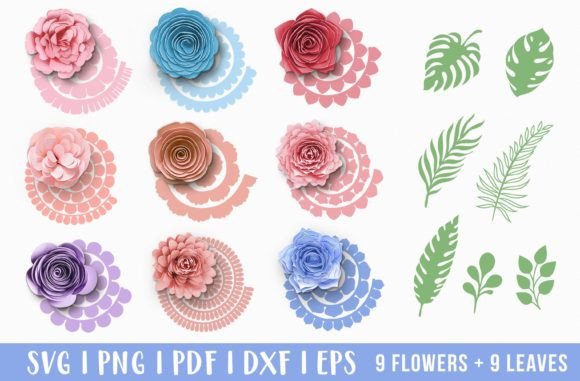
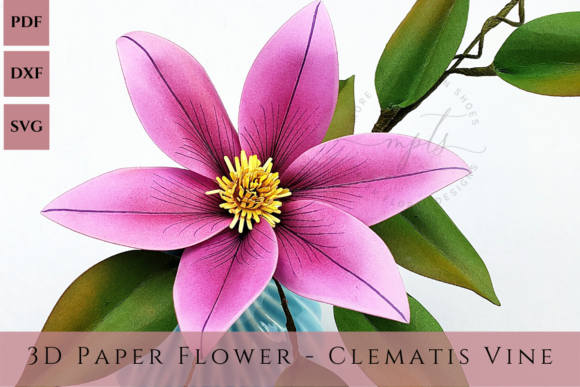
One of the primary advantages of using a well-designed digital template is the reduction of guesswork. The files provided for this project are comprehensive, ensuring that every component needed for a realistic bloom is accounted for. Specifically, the template includes detailed cuts for the flower petals, the central stamen, and the accompanying leaves. Each element plays a crucial role in the final appearance. The petals provide the main visual impact, the stamen adds the focal point that draws the eye, and the leaves offer the necessary contrast and context that make the flower look grounded and natural rather than floating in isolation.
The package includes two PDF templates and two SVG templates, catering to different workflow preferences. If you prefer to print and cut by hand, the PDF versions are ready to go. If you utilize cutting machines like Cricut or Silhouette, the SVG files allow for precision cutting, which significantly speeds up production time. This dual-format support ensures that whether you are a hobbyist enjoying a weekend project or a small business owner producing batches for a market stall, you have the tools necessary to succeed.
Scalability and Customization
A common limitation with pre-made artificial flowers is their fixed size, which may not suit every decorative need. The Clematis Flower - 3D Paper Flower addresses this through its scalable design. These files are set up to create four standard flowers, but because they are digital vector-based (in the case of the SVGs) or easily resizable PDFs, you can adjust their dimensions within your cutting software. This feature is incredibly useful for large-scale installations. For instance, if you are decorating a grand staircase or creating a backdrop for a wedding, you can enlarge the templates to create oversized blooms that make a dramatic statement. Conversely, you can shrink them for delicate garlands or miniature displays.
This scalability also supports efficiency. You can arrange multiple smaller flowers to create a dense vine effect, or use fewer larger flowers for a minimalist aesthetic. The ability to tweak the size means you are not locked into a single interpretation of what a clematis vine should look like. You become the designer, determining the density, spacing, and overall composition of your installation based on the specific spatial constraints and artistic goals of your project.
Step-by-Step Guidance and Support
For many creators, the barrier to entry is not a lack of materials, but a lack of confidence in assembly techniques. Understanding how to attach the stamen, how to layer the petals for a natural look, and how to integrate the leaves into a cohesive vine structure can be tricky when done for the first time. To mitigate this learning curve, the project includes a dedicated material list PDF that contains a direct link to a comprehensive video tutorial.
This video walks you through each step carefully, demonstrating the techniques required to assemble the vine. Seeing the process in motion helps clarify instructions that might otherwise be ambiguous in text form. For example, the video shows exactly how to curl the edges of the petals or how to secure the leaves along the stem to ensure durability. This guided approach is beneficial for beginners who want to ensure their first attempt looks polished, as well as experienced crafters who appreciate a standardized method to maintain consistency across multiple units. By following the video, you reduce trial-and-error time, allowing you to focus on the creative aspects of arrangement and display.
Practical Applications and Use Cases
The versatility of the Clematis Flower - 3D Paper Flower extends beyond simple home decoration. Consider the needs of educators or parents looking for engaging STEM or art activities for children. Creating these flowers involves measuring, cutting, folding, and assembling, which develops fine motor skills and spatial reasoning. The result is a tangible object that students can be proud of, serving as a lasting reminder of their creative effort.
For bloggers and social media influencers, high-quality visual content is paramount. A beautifully crafted paper clematis vine can serve as a stunning prop for photography, adding a touch of organic elegance to flat lays or lifestyle shots. Unlike real flowers, which wilt and require constant water changes, paper flowers remain pristine indefinitely, making them ideal for recurring content where consistency is key. Similarly, small business owners in the wedding or event industry can use these vines to create cost-effective, reusable decor elements. By investing time in creating these vines once, you build a library of decor pieces that can be adapted for various events, reducing long-term supply costs.
Considerations for Success
While the template provides the structure, the final outcome depends largely on the materials you choose. The choice of paper weight and texture will significantly impact the durability and look of the flowers. Heavier cardstock will hold its shape better but may be harder to fold intricately, while thinner tissue paper may require additional support structures to prevent sagging. It is advisable to test a small batch with different paper types before committing to a large project. Additionally, consider the lighting in your display area. Paper reflects light differently than fabric or plastic, so positioning your vines near windows or under warm lamps can enhance their visual appeal.
Finally, remember that this project is a starting point for creativity. The template gives you the components, but it does not dictate the final arrangement. Feel free to experiment with mixing colors, adding embellishments like beads or wire accents, or combining the clematis with other paper flora to create a diverse garden effect. The goal is not just to replicate nature, but to interpret it in a way that resonates with your personal style and functional needs.
Conclusion
The Clematis Flower - 3D Paper Flower represents more than just a collection of digital files; it is a gateway to bringing enduring beauty into your daily life. By providing scalable templates, clear instructional resources, and a design focused on realism and adaptability, this project empowers you to create decor that is both personally meaningful and visually striking. Whether you are seeking to brighten a dull corner of your home, prepare for a special occasion, or simply enjoy the therapeutic process of making something by hand, this DIY vine offers a practical, rewarding, and aesthetically pleasing solution. Embrace the opportunity to cultivate your own indoor garden, one petal at a time, and discover the joy of creating art that lasts.