3D Eagle Shadow Box, Mountains, Nature: A Guide to Layered Art and Modern Crafting
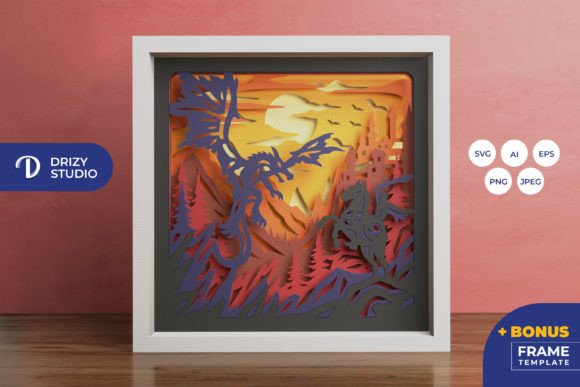
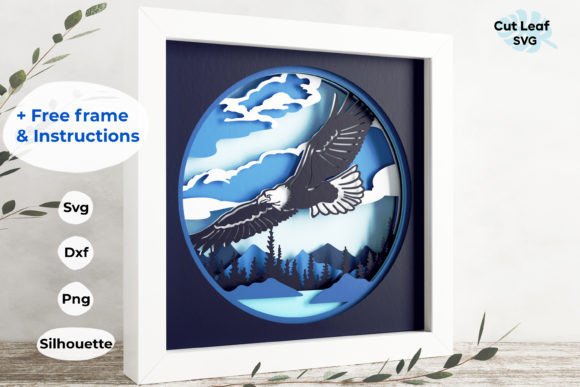
The intersection of traditional craftsmanship and digital fabrication has given rise to a new wave of home decor that is both visually striking and deeply personal. Among the most compelling examples of this trend is the 3D Eagle Shadow Box, Mountains, Nature. This design captures the raw majesty of wildlife and rugged landscapes, translating them into a multi-dimensional piece that commands attention. It is not merely a flat image pasted onto a wall; it is an architectural study in depth, light, and perspective, achieved through the strategic layering of cut materials.
For creators, hobbyists, and interior designers alike, the appeal lies in the ability to produce high-end, gallery-quality art using accessible tools. The process democratizes complex visual storytelling, allowing individuals to bring the serenity of the wild into their living spaces with precision and care. Whether you are a seasoned pro with a CNC machine or a weekend crafter with a handheld cutting tool, understanding the mechanics behind layered shadow boxes reveals why this format remains so popular in contemporary creative practices.
The Evolution of Layered Paper Art
Shadow boxing, once a niche technique reserved for museum displays of delicate artifacts, has found a vibrant second life in the maker community. The core principle is simple yet powerful: by separating elements of a composition into distinct planes, artists can create the illusion of three-dimensionality on a two-dimensional surface. When applied to natural subjects like eagles and mountain ranges, this technique mimics the way human vision perceives depth—foreground details appear sharp and close, while background elements fade into atmospheric distance.
This method resonates with modern users because it bridges the gap between digital design and tactile reality. In an era dominated by screens, there is a growing desire for physical objects that engage multiple senses. A 3D shadow box invites the viewer to look closer, to notice how the shadow cast by one layer interacts with the next. It transforms passive observation into an active experience. The 3D Eagle Shadow Box, Mountains, Nature exemplifies this shift, offering a subject matter that is timeless while utilizing a presentation style that feels fresh and innovative.
Design Architecture and Assembly Logic
At the heart of any successful layered project is organization. The specific design referenced here consists of 8 layers, each numbered meticulously to ensure correct assembly. This structural clarity is crucial. Without a logical sequence, the intricate interplay between the eagle’s wingspan and the jagged peaks of the mountains could easily become chaotic. The numbering system acts as a roadmap, guiding the creator from the deepest background layer to the most prominent foreground element.
The design is optimized for efficiency and accessibility. The cutting files are sized to fit an 8.5 x 8.5 inner size frame, which is a standard dimension that makes sourcing frames straightforward. Furthermore, the files are prepared to be cut directly from standard 8.5x11-inch cardstock. This compatibility with common office and craft supplies lowers the barrier to entry significantly. Users do not need specialized industrial equipment or exotic materials to achieve professional results. Instead, they rely on the precision of their cutting device and the quality of their paper choice.
For those who wish to scale the artwork beyond the standard size, the files are fully scalable. This flexibility allows the design to adapt to various interior contexts, from small desk accents to large statement pieces above a fireplace. However, scaling requires careful consideration of material thickness and frame depth to maintain the integrity of the 3D effect.
Technical Specifications and File Compatibility
One of the strongest advantages of this digital asset is its versatility across different software ecosystems and hardware platforms. Recognizing that no two makers use the same workflow, the package includes a comprehensive suite of formats designed to maximize usability.
- SVG (Scalable Vector Graphics): Included for direct import into Cricut Design Space and Silhouette Designer Edition. This format preserves vector data, ensuring crisp edges regardless of size adjustments.
- DXF (Drawing Exchange Format): Provided for users operating CNC machines and those using Silhouette Basic Edition. DXF is a universal standard in the manufacturing and engineering worlds, making it ideal for automated cutting processes.
- Silhouette Studio File: A proprietary file specifically prepared for seamless integration with Silhouette Studio. This eliminates the need for manual tracing or node editing, saving valuable time during the preparation phase.
- EPS (Encapsulated PostScript): Compatible with professional design suites such as Adobe Illustrator, Corel Draw, Inkscape, and Make The Cut. This ensures that graphic designers and illustrators can manipulate the paths with full control over color, stroke, and opacity.
- PNG (Portable Network Graphics): A raster image with a transparent background included for quick visualization or printing purposes where vector editing is not required.
This multi-format approach reflects a user-centric philosophy. It acknowledges that professionals may prefer Adobe workflows, while hobbyists might stick to Cricut or Silhouette apps. By providing all these options, the designer removes technical friction, allowing the creator to focus on the artistic outcome rather than file conversion hurdles.
Practical Implications for Creators and Businesses
For the independent entrepreneur or small business owner, the 3D Eagle Shadow Box, Mountains, Nature represents more than just a craft project; it is a viable product opportunity. The demand for unique, handcrafted home decor continues to rise, driven by consumers seeking items that tell a story. A layered nature scene evokes feelings of tranquility, adventure, and connection to the outdoors—emotions that are highly marketable.
The inclusion of a PDF of instructions for easy shadow box making and a Layers Guide adds significant value. For beginners, these resources demystify the assembly process. They provide tips on adhesive selection, alignment techniques, and handling delicate cutouts. This support structure reduces the likelihood of frustration and increases the success rate for new users. For businesses, standardized instructions ensure consistency across products, which is essential for maintaining brand reputation.
Moreover, the ability to produce these pieces locally offers logistical advantages. Unlike imported mass-produced decor, handmade shadow boxes can be created on demand, reducing inventory costs and waste. The use of standard cardstock also keeps material costs low, improving profit margins for sellers. Educators and workshop leaders can utilize this design as a teaching tool for geometry, spatial reasoning, and digital fabrication skills, demonstrating how digital files translate into physical objects.
Choosing Materials and Finishing Touches
While the digital files provide the blueprint, the final aesthetic depends heavily on material selection. The choice of cardstock color plays a pivotal role in defining the mood of the piece. A monochromatic scheme, using varying shades of white or gray, emphasizes form and shadow, creating a sophisticated, minimalist look. Alternatively, a gradient palette that moves from deep blues in the background to bright whites in the foreground can enhance the sense of atmospheric perspective.
The texture of the paper also matters. Matte finishes absorb light, reducing glare and allowing the shadows between layers to remain distinct. Glossy papers can introduce unwanted reflections, particularly if the display area receives direct sunlight. For the eagle itself, consider using a slightly heavier stock or even wood veneer for the foreground layer to give it physical prominence against the lighter paper layers of the mountains behind it.
Assembly requires patience and precision. Using double-sided foam tape or spacers between layers is often necessary to maintain consistent gaps. These spacers prevent the layers from touching, which would flatten the 3D effect and muddy the shadows. The provided instructions should guide users on optimal spacing distances, but experimentation may be needed depending on the thickness of the chosen materials and the depth of the frame.
Conclusion
The 3D Eagle Shadow Box, Mountains, Nature stands as a testament to the power of thoughtful design and accessible technology. It combines the timeless beauty of natural imagery with the precision of digital cutting, resulting in a piece that is both emotionally resonant and technically impressive. By offering versatile file formats, clear instructions, and scalable designs, this resource empowers a wide range of users—from casual crafters to serious entrepreneurs—to create meaningful art.
As we continue to seek ways to personalize our environments and connect with the natural world, projects like this offer a tangible solution. They remind us that creativity does not require expensive studios or years of training. With the right tools, files, and guidance, anyone can transform a sheet of paper into a window onto the wilderness. The result is not just a decoration, but a crafted object that brings a sense of calm and grandeur to everyday life.