Horse 3D SVG Multilayer PaperCut Files: A Practical Guide to Design, Materials, and Execution
The intersection of digital design and physical crafting has created a robust market for vector-based art files, particularly those that leverage depth and shadow. Among these, the Horse 3D SVG Multilayer PaperCut Files represent a specific niche within the broader category of decorative SVGs. This design is not merely a flat silhouette but a structured composition consisting of six distinct layers, engineered to create a three-dimensional effect when assembled. For crafters utilizing Cricut, Silhouette, Glowforge, or CNC routers, understanding the technical specifications and material constraints of this file is essential for achieving professional results.
This analysis explores the structural integrity of the Horse Mundala SVG design, its compatibility with various cutting technologies, and the strategic considerations involved in scaling and material selection. By examining the tradeoffs between different substrates and machine types, users can make informed decisions that align with their skill level and project goals.
Understanding the Structural Composition
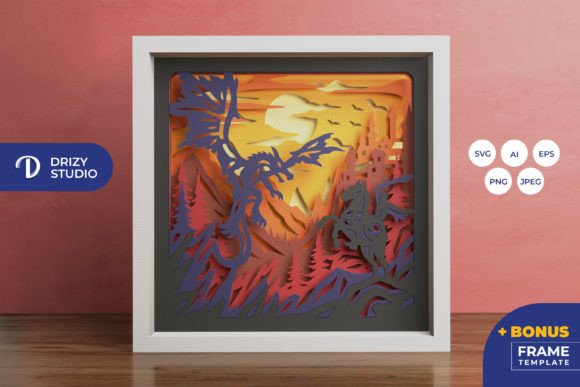
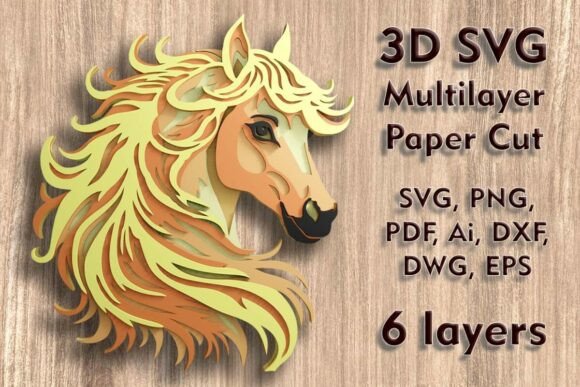
The core distinction of the Horse 3D SVG Multilayer PaperCut Files lies in its layering system. The design comprises six separate layers, each contributing to the final depth and visual complexity of the piece. Unlike single-layer silhouettes that rely on contrast alone, multilayer designs require precise alignment and spacing to achieve the intended shadow box effect. The standard dimensions provided are 250 x 225 mm (approximately 9.85 x 8.85 inches), a size that offers a substantial presence on a wall without dominating a space.
The layered approach allows for intricate detailing that would be difficult to achieve in a single cut. However, this complexity introduces specific challenges regarding registration—the accuracy with which layers align during assembly. Users must consider how the thickness of their chosen material affects the gap between layers. Thicker materials will naturally increase the perceived depth, while thinner materials may result in a flatter appearance if the z-spacing is not adjusted in the design software.
Material Selection and Machine Compatibility
One of the primary advantages of purchasing a comprehensive SVG package is its versatility across multiple substrates. The file formats included—SVG, DXF, DWG, EPS, AI, PNG, and PDF—ensure compatibility with a wide range of hardware. The choice of material significantly impacts the final aesthetic and the ease of production.
- Paper and Cardstock: Ideal for beginners or those creating greeting cards and small-scale decor. Cardstock provides enough rigidity to hold its shape while remaining easy to cut with electronic cutters like Cricut or Silhouette. However, thin elements in the horse’s mane or tail may tear if the paper is too fragile.
- Plywood and MDF: These wood-based materials offer a rustic, high-end look suitable for home wall decor. Plywood is lightweight and cuts cleanly with laser machines, while MDF provides a smooth surface for painting. Both require careful handling due to their weight and the potential for charring at the edges when using lasers.
- Acrylic: For a modern, sleek appearance, acrylic sheets can produce stunning light-reflective effects. Laser cutting acrylic requires precise speed and power settings to avoid melting or cracking. The transparency of acrylic adds a unique dimension to the shadow box effect, especially when backlit.
- Aluminum: Thin aluminum sheets can be used for industrial or contemporary designs. This material typically requires a CNC router or a high-powered fiber laser, making it less accessible for hobbyists with basic equipment.
When selecting a material, consider the capabilities of your machine. Electronic cutters excel with flexible materials like vinyl, cardstock, and thin wood veneers. Laser cutters handle wood, acrylic, and leather with precision but require ventilation and safety precautions. CNC routers are best suited for thicker woods and metals but may struggle with very fine details found in complex SVG designs.
Scaling Considerations and Design Limitations
A critical aspect of working with the Horse 3D SVG Multilayer Paper Cut Files for Shadow Box SIZE 250 x 225 mm is the ability to scale the design. While increasing the size is generally straightforward, reducing the dimensions poses significant risks. The design contains thin elements, such as delicate lines in the horse’s anatomy or intricate patterns in the background layers. When scaled down, these thin strokes may become too narrow for certain machines to cut accurately, leading to breakage or loss of detail.
For instance, reducing the design by more than 50% may render some internal cuts impossible to execute, particularly with laser cutters where the kerf (the width of the beam) becomes a larger proportion of the feature size. Conversely, enlarging the design can enhance visibility but may also exaggerate imperfections in the material or cut quality. It is advisable to test a small section of the design at the desired scale before committing to the full production run.
Comparative Analysis: Digital vs. Traditional Methods
In the context of home decor and gift-making, the Horse Mundala Svg offers several advantages over traditional hand-cut methods. Hand-cutting a six-layer design requires exceptional steady hands and specialized tools like X-Acto knives, which can be time-consuming and prone to error. Digital cutting ensures consistency and precision, allowing for repeatable results.
Furthermore, the availability of layered SVG files facilitates iterative design. Users can experiment with color combinations, material textures, and lighting setups digitally before producing the physical item. This reduces waste and allows for greater creative freedom. In contrast, traditional methods often require multiple attempts to achieve the desired alignment and finish, increasing material costs and frustration.
Decision Factors: When to Choose This Design
The decision to use the Horse 3D SVG Multilayer PaperCut Files should be guided by the intended outcome and available resources. This design is particularly well-suited for:
- Home Wall Decor: The shadow box effect creates a striking focal point in living rooms, offices, or nurseries. The natural theme of the horse appeals to a broad audience, making it a versatile choice for interior design.
- Personalized Gifts: The intricate nature of the design makes it an impressive gift for friends and family. Customizing the color scheme or material can add a personal touch that mass-produced items lack.
- Craft Challenges: For experienced crafters looking to refine their skills in layering and alignment, this design provides a rewarding challenge. It encourages experimentation with different materials and finishing techniques.
However, there are situations where alternative options might be preferable. If you are a beginner with limited experience in assembling multi-layered pieces, starting with a simpler two or three-layer design may build confidence before tackling the six-layer complexity of the horse design. Additionally, if you lack access to a laser cutter or CNC machine, working with thicker materials like plywood or acrylic may be challenging, and sticking to paper or cardstock is recommended.
Technical Workflow and Best Practices
To maximize the potential of the Horse 3D SVG Multilayer PaperCut Files, follow a structured workflow. First, import the layered SVG file into your preferred design software. Verify that all layers are correctly named and organized. Check the line weights and ensure that thin elements are above the minimum cuttable threshold for your machine.
Before cutting the final material, perform a test cut using scrap pieces. This step helps identify any issues with alignment, blade depth, or laser power. When assembling the shadow box, use spacers such as foam tape or wooden shims to maintain consistent gaps between layers. This uniformity is crucial for achieving a professional look. Finally, consider the mounting method; adhesive strips, screws, or picture hangers should be selected based on the weight of the assembled piece and the type of wall surface.
In conclusion, the Horse 3D SVG Multilayer PaperCut Files offer a sophisticated solution for creating dimensional art. By carefully considering material choices, scaling limitations, and machine capabilities, users can transform this digital design into a tangible work of art. Whether for personal enjoyment or commercial sale, this design provides a balance of aesthetic appeal and technical engagement that rewards patience and precision.