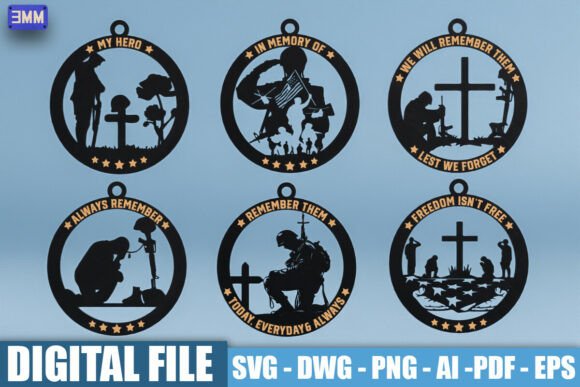
3D Military Memorial Ornament SVG DXF
There is a profound weight to honoring those who served, especially when the medium of that honor is something you create with your own hands. For makers, laser cutters, and hobbyists looking to pay tribute during the holiday season or on Memorial Day, the 3D Military Memorial Ornament SVG DXF offers a sophisticated solution. It moves beyond simple flat decals, providing a pathway to create deep, miniature shadow boxes that capture the solemnity and pride associated with military service.
This digital download is not just a single image; it is a comprehensive toolkit designed for precision. By combining vector files optimized for laser cutting with layered designs, it allows users to transform flat sheets of material into three-dimensional pieces of art. The collection features six unique circular designs, each meticulously crafted to include detailed silhouettes of soldiers, crosses, grave sites, flags, and the iconic helmet, rifle, and boot tribute. These are not generic clip-art styles but thoughtful compositions that carry patriotic quotes like "MY HERO," "FREEDOM ISN'T FREE," and "WE WILL REMEMBER THEM."
The Power of Layered Depth in Memorial Craft
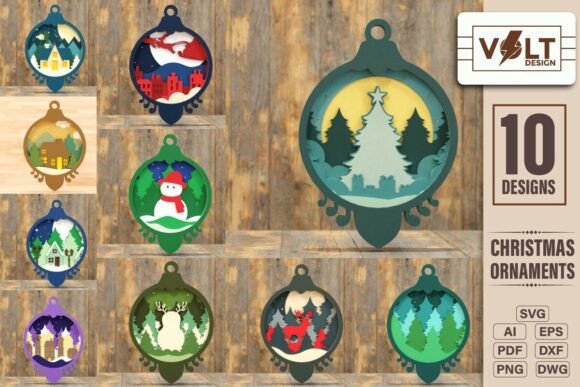
What sets this specific set apart from standard ornament templates is the emphasis on depth. In traditional laser cutting, you might produce a single layer of wood or acrylic. However, by utilizing the provided layers, you can stack materials to create a 3D effect. This technique mimics the look of a diorama or a shadow box, adding a tactile dimension that flat prints simply cannot achieve. The outer ring often features text, stars, or borders, while the central scene contains the primary memorial imagery. When these layers are separated and stacked, they cast subtle shadows that enhance the visual impact, making the design pop against any background.
This approach is particularly effective for materials like birch plywood, MDF, or even thick cardstock. The instructions typically indicate compatibility with 3mm material thickness, which provides enough structural integrity to hold the layers apart without collapsing, yet remains thin enough to allow for fine detail in the cut lines. The result is a striking piece that feels substantial and respectful, perfect for hanging on a tree or displaying on a mantel.
Who Benefits From This Digital Collection?
The utility of these SVG and DXF files extends across various groups of people, each bringing their own context to the creation process. Understanding who uses these tools can help clarify why this specific format is so valuable.
- Family Members and Veterans: For many, creating an ornament is a personal act of remembrance. A veteran might use this to honor a fallen comrade, while a spouse might create one for a parent. The ability to customize or simply select a design that resonates emotionally adds a layer of personal significance that store-bought items lack.
- Small Business Owners: Etsy sellers and local crafters often seek high-quality, niche products to sell. Memorial ornaments are perennial sellers, particularly around November and December. Having access to professional-grade, layered designs allows artisans to offer premium products that command higher prices due to their complexity and emotional value.
- VFW Posts and Community Groups: Local chapters of veterans' organizations often host workshops or fundraisers. Providing members with these files enables group projects where everyone contributes to a larger display, fostering community and shared remembrance.
- Educators and History Teachers: While less common, these files can be used in vocational classes to teach precision cutting, file management, and respect for historical figures, turning a technical lesson into a meaningful civic activity.
Technical Considerations for Success
While the concept is straightforward, achieving a polished final product requires attention to detail. The inclusion of multiple file formats—SVG, DWG, and PNG—caters to different software preferences, but understanding the strengths of each is crucial.
The SVG (Scalable Vector Graphics) file is the gold standard for laser cutting. It contains clean, precise vector paths that ensure smooth curves and sharp corners, regardless of the size you scale the design. Most modern laser cutter software, such as LightBurn or RDWorks, handles SVGs seamlessly. The DWG (Drawing Exchange Format) file is equally important, particularly for users working with CAD programs like AutoCAD or DraftSight. This format ensures compatibility with professional engineering and design workflows, allowing for precise adjustments if needed.
However, the most critical consideration before starting is material selection. Since the design relies on stacking layers, the consistency of your material is key. If you are using wood, ensure it is sanded smooth and free of knots that could interfere with the laser's path. Acrylic can also be used, offering a modern, glossy look, but it requires different laser settings to avoid melting or cracking. The 3MM thickness mentioned in the design specs is a guideline; if you choose a thicker material, you may need to adjust the spacing between layers or the height of the spacers to maintain the intended aesthetic.
Assembly and Finishing Touches
Once the cutting is complete, the assembly process brings the design to life. This involves carefully separating the layers and aligning them. Many makers use small spacers—such as tiny cubes of wood or plastic—to keep the layers evenly spaced. Alternatively, some designs include tabs or slots that allow layers to interlock, though this depends on the specific file structure. Precision in alignment is vital; if the layers are misaligned, the shadow box effect can look messy rather than artistic.
Finishing touches can elevate the ornament further. A light sanding of the edges removes any charred marks left by the laser, giving the piece a cleaner look. Some creators add a clear coat or varnish to protect the wood and enhance its natural grain. For a more dramatic effect, painting certain layers white or black can increase contrast, making the silhouettes stand out more vividly against the background.
Limitations and Ethical Considerations
It is important to acknowledge that while these files provide the technical means to create beautiful tributes, they do not replace the emotional labor involved in remembering. Making these ornaments can be a therapeutic process, but it can also bring up difficult emotions. Users should approach the project with mindfulness, perhaps taking breaks if the themes become overwhelming.
Additionally, there are practical limitations regarding time and cost. Creating a multi-layered ornament takes significantly longer than cutting a single piece. You must account for the time spent on cutting, sanding, gluing, and assembling. Furthermore, the cost of materials, especially if using high-quality hardwoods or specialized acrylics, can add up. For those considering selling these items, pricing must reflect both the material costs and the skilled labor required to assemble them properly.
Finally, respect for the subject matter is paramount. These designs depict serious symbols of sacrifice and duty. They should be treated with care and displayed appropriately. Avoid using them in contexts that might trivialize the military experience. The intent behind creating a 3D Military Memorial Ornament SVG DXF is to honor, and every step of the process—from the first cut to the final hang—should reflect that reverence.
In summary, this digital collection is more than just a set of files; it is a resource for meaningful expression. Whether you are a seasoned maker or a beginner looking to create something special, the combination of detailed design, versatile file formats, and the potential for deep, 3D craftsmanship makes it a powerful tool for paying tribute to those who served. By focusing on the real-world applications and respecting the emotional weight of the imagery, you can create ornaments that are not only visually stunning but also deeply heartfelt.