The Rise of Dimensional Paper Art: Leveraging Butterfly 3D for High-Impact Creative Design
In the rapidly evolving landscape of digital fabrication and handmade commerce, the line between traditional craftsmanship and modern technology has never been more blurred. For professionals, creators, and entrepreneurs in the creative sector, the demand for products that offer tangible depth and emotional resonance is at an all-time high. Enter Butterfly 3D, a sophisticated approach to paper engineering that transforms flat materials into captivating, multi-layered sculptures. Specifically, the “3D Butterflies” Paper Craft SVG Template designed by AholiabArt represents a significant leap forward in accessible, high-end design.
This article explores how integrating such intricate templates into your workflow can elevate your brand, streamline production, and meet the growing consumer desire for personalized, artisanal quality. By examining the technical advantages, market relevance, and creative versatility of this tool, we provide a comprehensive guide for leveraging Butterfly 3D techniques in both hobbyist and commercial contexts.
Understanding the Mechanics of Butterfly 3D Paper Craft
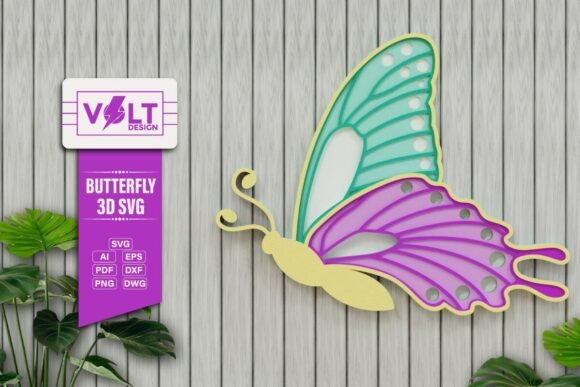
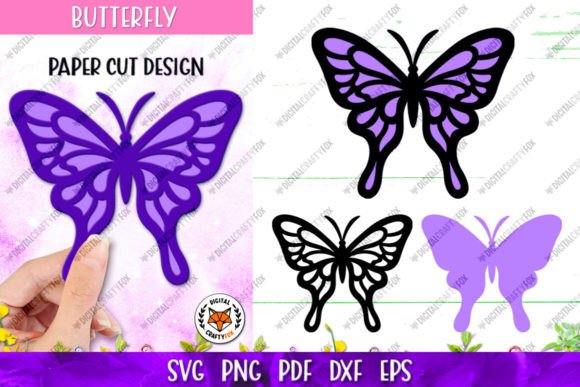
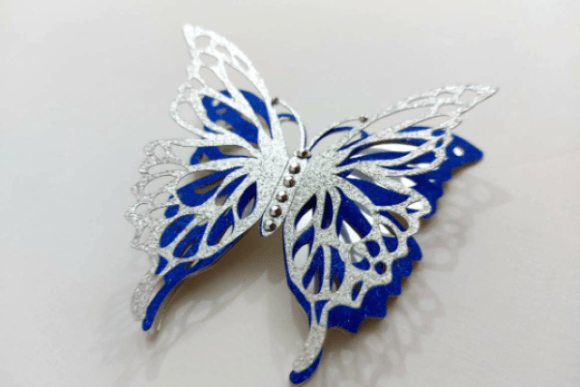
At its core, Butterfly 3D refers to a specific methodology of layered paper cutting where individual components are assembled to create depth, shadow, and volume. Unlike standard flat cardstock designs, these projects require precision engineering. The “3D Butterflies” template by AholiabArt is not merely a cut-out; it is a structural system. Each butterfly consists of multiple layers—wings, body segments, and decorative accents—that are meticulously aligned to produce a lifelike, hovering effect.
The beauty of this design lies in its accessibility. Historically, achieving such dimensional results required advanced skills in papercrafting or expensive machinery. However, the provided SVG (Scalable Vector Graphics) template democratizes this process. Designed for compatibility with popular cutting machines like Cricut and Silhouette, the file ensures that every curve and vein of the butterfly wing is reproduced with pixel-perfect accuracy. This precision is crucial; even a millimeter of misalignment can disrupt the three-dimensional illusion, rendering the final product flat or distorted.
To support users in mastering this technique, the package includes detailed PDF instructions and a user-friendly YouTube tutorial. This educational component is vital for professionals who may be new to complex layering techniques. It reduces the learning curve, allowing creators to focus on design and customization rather than troubleshooting structural integrity.
Market Trends: The Demand for Tangible Personalization
Why is there such a surge in interest for 3D paper crafts? The answer lies in broader consumer trends favoring authenticity, personalization, and tactile experiences. In an era dominated by digital screens and ephemeral content, consumers are increasingly seeking physical objects that evoke emotion and connection. This phenomenon, often referred to as the "return to craft," is driven by a desire for slower, more meaningful consumption.
Wedding and Event Industry Applications
The wedding industry serves as a primary catalyst for this trend. Couples are moving away from mass-produced decor in favor of bespoke elements that reflect their unique story. Butterfly 3D elements fit perfectly into this niche. Imagine cake toppers that feature delicate, multi-layered butterflies symbolizing transformation and romance. These are not just decorations; they are focal points that photograph beautifully and serve as lasting mementos.
Furthermore, the versatility of the template allows for extensive customization. Creators can use various color palettes to match specific wedding themes, from pastel romantics to bold, modern aesthetics. The ability to personalize initials or monograms onto these 3D structures adds a layer of exclusivity that commands higher price points in the market.
Gift Packaging and Brand Identity
For entrepreneurs and small business owners, packaging is a critical touchpoint in the customer journey. Standard boxes are no longer sufficient to differentiate a brand in a crowded marketplace. By incorporating 3D butterfly embellishments into gift boxes, jewelry packaging, or invitation suites, businesses can create an unboxing experience that feels luxurious and thoughtful.
This strategy aligns with the growing emphasis on sustainable luxury. Paper-based decorations, when sourced responsibly, offer an eco-friendly alternative to plastic ornaments. They signal to the consumer that the brand cares about detail and environmental impact, enhancing brand loyalty and perceived value.
Technical Specifications and Material Considerations
While the digital template provides the blueprint, the success of any Butterfly 3D project hinges on material selection. The choice of cardstock directly influences the structural integrity, visual appeal, and durability of the final piece. For the “3D Butterflies” template, the recommended material is Encore Cardstock, specifically the 80 lb cover weight (216 gsm).
Why 80 lb Cover?
- Structural Rigidity: Thinner papers may lack the stiffness required to hold the layered shape, causing the wings to droop or collapse. The 80 lb weight provides enough backbone to maintain the 3D form without being so thick that it becomes difficult to cut or glue.
- Cutting Precision: High-quality cardstock like Encore ensures clean cuts with minimal fraying. This is essential for the intricate details found in the butterfly wings, where jagged edges would detract from the elegant aesthetic.
- Vibrant Color Retention: Premium cardstocks offer superior ink absorption and color vibrancy, ensuring that your designs pop whether viewed in natural light or under artificial display conditions.
Creators interested in sourcing this specific material can visit the 12×12 Cardstock Shop. Please note that this is a paid link at no extra cost to you, supporting the continued production of high-quality crafting resources.
Workflow Optimization for Professionals
For freelancers and agencies handling large orders, efficiency is paramount. The combination of an SVG template and digital tutorials streamlines the production pipeline. Here is how professionals can optimize their workflow using Butterfly 3D techniques:
- Digital Preparation: Import the SVG file into your cutting software. Utilize nesting features to arrange pieces efficiently on the virtual mat, minimizing waste and maximizing sheet usage.
- Batch Cutting: Cut multiple colors simultaneously if possible, or organize cuts by layer complexity. Pre-sorting materials before cutting reduces downtime during assembly.
- Standardized Assembly: Follow the provided PDF instructions to establish a repeatable assembly process. Using tweezers and precision glue applicators ensures consistent alignment across dozens of units.
- Quality Control: Implement a checklist to verify that each layer is securely adhered and properly aligned before packaging. Consistency builds trust with clients.
Expanding Creative Horizons
The applications of Butterfly 3D extend far beyond simple decorations. Innovators are using these principles to create:
- Interactive Invitations: Pop-up cards featuring 3D butterflies that emerge when opened, creating a memorable first impression.
- Home Decor: Wall art installations where clusters of 3D butterflies create dynamic shadows and movement, adding sophistication to living spaces.
- Educational Tools: Science classrooms can use these models to teach biology and geometry, demonstrating symmetry and metamorphosis through hands-on assembly.
Conclusion: Embracing the Future of Handmade
The integration of Butterfly 3D technology into your creative repertoire is more than a trend; it is a strategic advantage. By combining the timeless beauty of nature-inspired motifs with modern digital precision, creators can deliver products that resonate deeply with consumers. The “3D Butterflies” template by AholiabArt offers a robust foundation for this innovation, supported by comprehensive resources and premium material recommendations.
As the market continues to shift towards personalized, high-quality, and emotionally engaging products, those who master these techniques will be well-positioned to lead. Whether you are a seasoned entrepreneur looking to expand your catalog or a freelancer aiming to refine your craft, exploring the possibilities of 3D paper art is a worthwhile investment. Let your artistic imagination take flight, and transform simple sheets of cardstock into extraordinary works of art.
For those ready to begin, ensure you have your preferred cutting machine calibrated, source your 80 lb cover cardstock, and dive into the tutorials. The world of Butterfly 3D awaits, offering endless opportunities for creativity and professional growth.